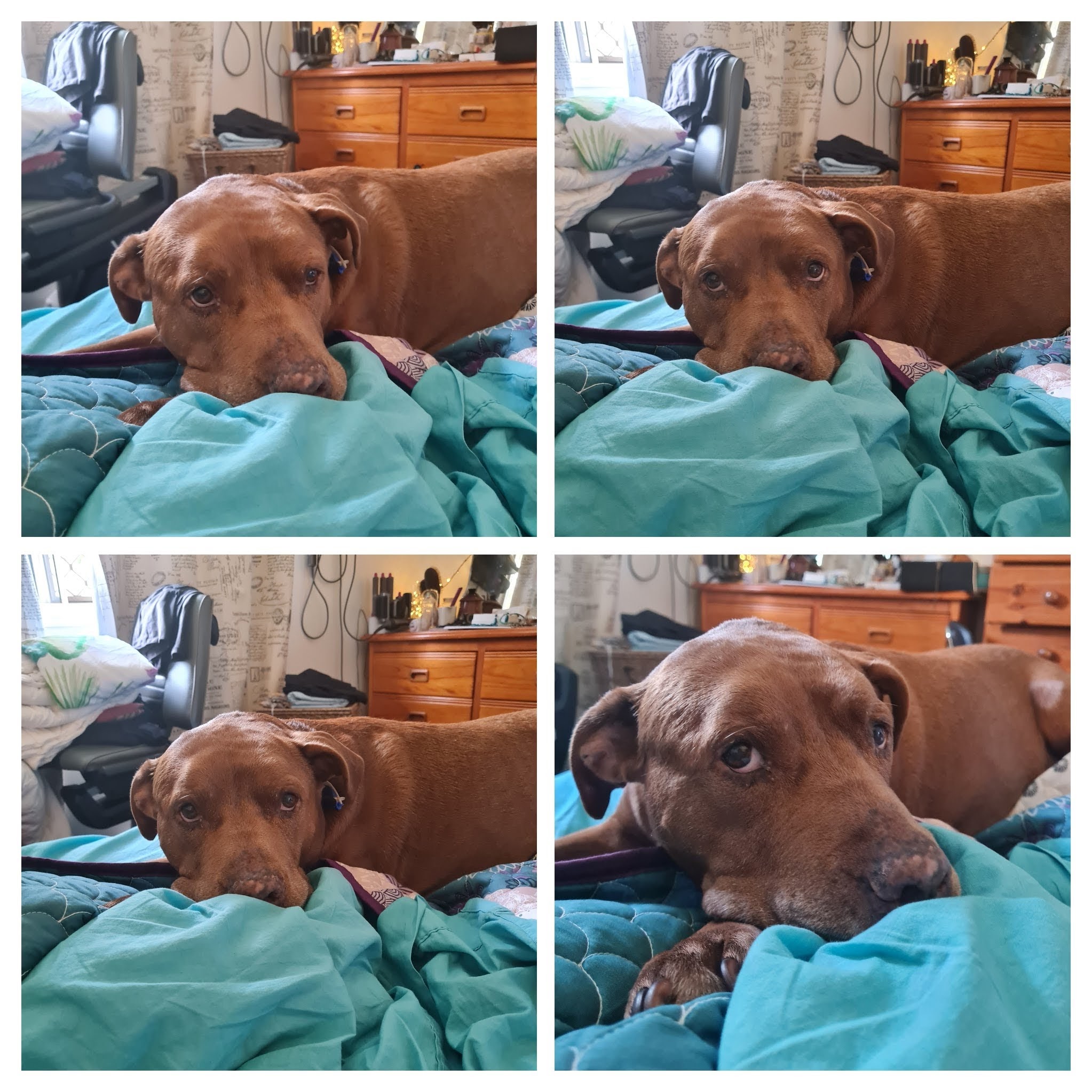
A threat to our best friends
With covid restrictions lifting, people are going to start moving in larger numbers again and many of us will be taking our best human and doggo friends with us. We’ve been cooped up in our homes and restricted to our neighbourhoods for almost 2 years, just aching to get out and stretch our legs. But before hitting the road on your Aussie holiday, there’s something you should be aware of: Canine ehrlichiosis (err-lick-ee-o-sis).
No, it’s not a disease you get from licking your dog (although, I don’t recommend doing that). It is, in fact a disease that dogs catch from the brown dog tick. It attacks their immune system and if untreated, is fatal.
Most of us on the Australian east coast will be familiar with the paralysis tick. This horrible little arachnid (fun fact: ticks are related to spiders) is the most deadly tick in Australia and can deliver a nasty bite to humans. It’s almost a rite of passage where I grew up in sub-tropical NSW to have at least once had a paralysis tick bite on your head leaving you with a swollen face resembling a pig dog.
However, the brown dog tick is not as widely known. Perhaps because it doesn’t cause as much damage, at least it didn’t until recently. While the brown dog tick isn’t new to Australia, ehrlichiosis is. It was first found in the Kimberly region of Western Australia (WA) in May 2020. Since then, it has spread to South Australia (SA) and the Northern Territory (NT). It has so far killed 60% of the domestic dog population in the NT. Symptoms of the disease include fever, lethargy, weight loss, discharge from the eyes and ears and other blood disorders. Just Imagine the destruction it could cause if it spread further. That’s why we’ve got to take this seriously and be responsible dog owners.
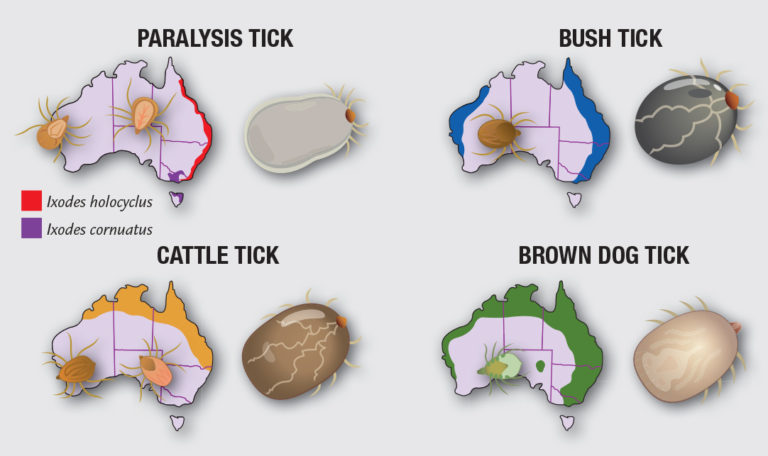
There is no vaccine for ehrlichiosis. Antibiotics can be effective if they’re administered early. But the best protection is prevention. The number one thing that all of us dog owners can do is have our dogs on an effective, veterinary approved tick control program.
Other measures for prevention include:
- Checking your dogs regularly for ticks, paying close attention to the head, neck and chest, inside of ears, lips, gums and mouth area, between their toes and the genital and anal regions.
- Managing tick infestations in our yards through maintenance and effective pest control
- Avoid taking your dog to tick infested areas
- Contacting your vet if your dog becomes unwell.
Click this link for more information on ehrlichiosis and the Australian state and federal government responses:
https://www.outbreak.gov.au/current-responses-to-outbreaks/ehrlichiosis-dogs
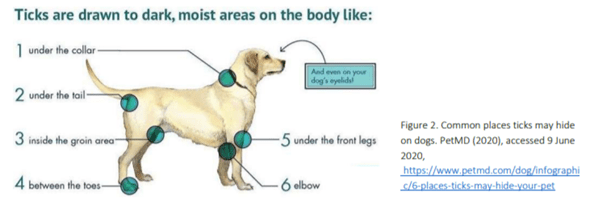
Before travelling with your dog, have a chat to your vet and avoid contact with other dogs on your journey
While ehrlichiosis is predominantly affecting WA, NT and SA, it has been found in dogs in Victoria, QLD and NSW which either travelled through or originated in established affected areas.
Ehrlichiosis is a nationally notifiable disease. If you suspect your dog has the disease, you must report it to your vet or the National Emergency Animal Disease Watch hotline 1800 675 888.
If the last 2 years have taught us anything, it’s the importance of stopping diseases spreading and how easily transmission can get out of hand when not monitored closely and treated effectively. We have seen first hand how a disease can evolve and become more deadly.
We all love our dogs and it’s up to all of us to protect our little friends for their benefit and the benefit of everyone else’s little friends.
If you’re looking for more ways to assist in the management of this nasty disease, you can donate to AMRRIC (https://www.amrric.org/donate/) to support them in the work they are doing to control ehrlichiosis.
REFERENCES:
https://agriculture.vic.gov.au/biosecurity/animal-diseases/general-livestock-diseases/ehrlichiosis
https://parasitesandvectors.biomedcentral.com/articles/10.1186/s13071-020-04363-0
https://vcahospitals.com/know-your-pet/thrombocytopenia-in-dogs
 Peppa's Place